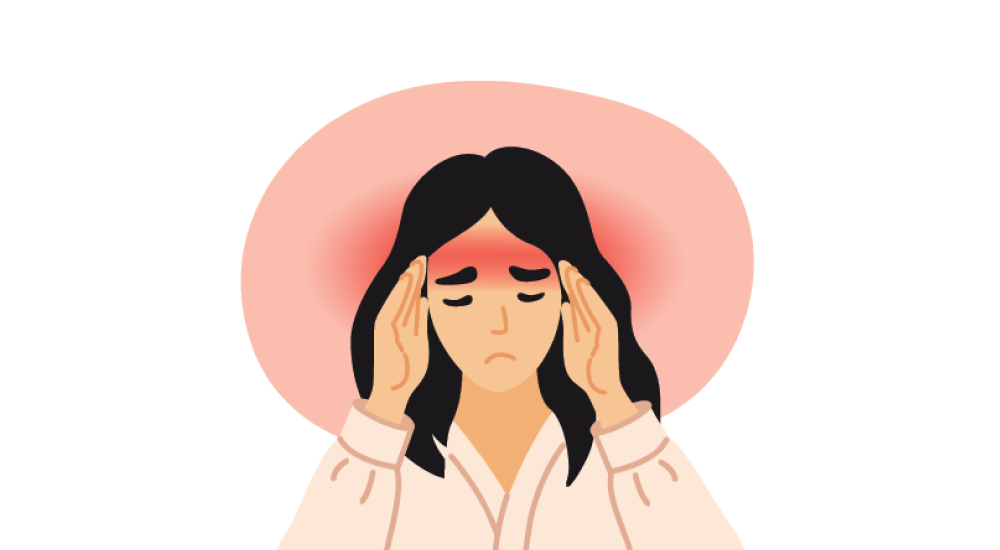
Mild dizziness or vertigo is a very common experience in the public because it can be debilitating. Sometimes, experiencing mild headache episodes can be normal and nothing to worry about. However, if it occurs for a long time without any apparent reason or if it does not get better after treatment, it is essential to consult a doctor.
Treatment for lightheadedness can depend on the underlying problem, which depends on the cause and symptoms of the light-headedness. Mild headache treatments are usually effective for arm problems but may recur.
Let us know the details of this medical condition.
What is a mild headache?
The term “light-headedness or dizziness” refers to a feeling of fainting, loss of consciousness, restlessness, or a feeling of being close to passing out. In most cases, it occurs along with vertigo and resolves quickly on its own, especially when the person experiencing it sits or lies down.
This usually creates a false sense of rotation or movement around. It is not a disease in itself, but rather a temporary condition that can result from an underlying health problem such as dehydration, inner ear disorders or even hypotension.
Symptoms of mild a headache:
People who experience lightheadedness may describe it as a dizzy sensation. Symptoms of lightheadedness can include the following range of sensations.
- Vertigo or a feeling of movement or spinning
- Unsteadiness or loss of balance
- Feeling of heavy headache
- floating feeling
- Such feelings of light-headedness can be triggered or worsened by standing or moving the head quickly. Such symptoms of lightheadedness may recur in individual cases and may have various causes
What are the reasons for a mild Headache?
There are many causes of lightheadedness, including inner ear disorders, motion sickness, and certain medications. Sometimes, some of the causes of feeling light-headed can also include problems like injury, infection or poor blood circulation. Some common reasons for feeling light-headed may include the following.
- Inner ear problems: The inner ear is responsible for maintaining balance, a disturbance in the fluid in the inner ear canal can lead to lightheadedness. In general, the sense of balance depends on the combined action of the sensory organs, which include the eyes, inner ear, and sensory nerves.
With disorders of the inner ear, the brain receives signals that are not consistent with what the eyes see and the sensory nerves receive. This can cause light-headedness and vertigo (a sensation of spinning or spinning).
Such inner ear disorders can be caused by infections and migraines, or even some other health conditions such as:
Benign Paroxysmal Positional Vertigo (BPPV): This type of vertigo involves rapidly changing head movements similar to when a person feels a headache.
Meniere’s disease: This is a medical condition in which excessive fluid accumulates in the inner ear and is characterized by sudden episodes of vertigo that can last for hours at a time.There may also be hearing loss, or a blocked or ringing sensation in the ears.
- Circulation problems: Poor circulation can also cause lightheadedness, especially if the heart can’t pump enough blood to the brain. Sometimes, a medical condition known as orthostatic hypotension or a drop in blood pressure can also cause brief lightheadedness that occurs when a person stands up too quickly.
Conditions such as arrhythmias, heart disease, and cardiomyopathy can cause dizziness or lightheadedness due to decreased blood flow to the brain or inner ear.
- Neurological conditions: Neurological problems and conditions like Parkinson’s disease and multiple sclerosis (MS) can cause persistent loss of balance and cause lightheadedness.
- Medication: Medicines and drugs such as blood pressure lowering drugs, antidepressants, sedatives and tranquilizers can cause lightheadedness.
- Anxiety disorders: Some types of anxiety disorders can cause mild headaches and dizziness such as agoraphobia (fear of open spaces).
- Hypoglycemia: This is commonly associated with diabetic patients. Blood glucose levels can drop drastically leading to a condition known as hypoglycemia which can cause symptoms of lightheadedness with sweating.
- Anemia: Anemia is a medical condition in which the level of iron in the blood is low, which is responsible for helping transport oxygen through red blood cells. This condition can cause lightheadedness and dizziness, along with fatigue, weakness and pale skin.
- Carbon Monoxide Poisoning: When carbon monoxide poisoning occurs, it can cause symptoms like weakness, confusion, dizziness, and headache along with vomiting and stomach upset.
- Dehydration: Fluid loss through sweating or living or working for long periods in hot weather can lead to dehydration which can lead to fainting and dizziness.
When to seek medical help?
Generally, feeling light-headed is not a cause for concern. But if it happens for a long time and the cause is not clear, treatment may be needed. However, if a mild headache is accompanied by one or more of the following symptoms, it is important to seek medical advice promptly.
- Sudden and severe chest pain or headache
- Irregular or rapid heartbeat
- shortness of breath
- Experience double vision
- Numbness or paralysis of one or more limbs and/or face
- Speech slurring
- chaos
- Heart attack
- Sudden change in hearing
How to prevent light-headedness?
Light-headedness almost always occurs spontaneously, making it difficult to prevent light-headedness. However, following some simple tips can help prevent light-headedness.
- Avoid moving quickly or changing positions
- Try activities like yoga and performing arts like tai chi that can help improve balance
- If necessary, change the medication as directed by the doctor
- Keeping OTC medications while traveling and trying home remedies to prevent motion sickness
- Stay hydrated
Source: https://shorturl.at/uDSW5