Diarrhea – basically stomach disease. A lot of water is lost from the body when affected by this disease. Symptoms include loose stools, sometimes with mucus, abdominal pain, and bloating. On the one hand it can be only diarrhea and sometimes it can also be associated with other symptoms.
These include nausea, vomiting, abdominal pain or weight loss. Diarrhea is usually short-lived, lasting no more than a few days. But when diarrhea lasts for more than a few weeks, there is another problem. For example, they can be IBS (Irritable Bowel Syndrome) or persistent infections IBD or celiac disease or other serious disorders including inflammatory bowel disease.
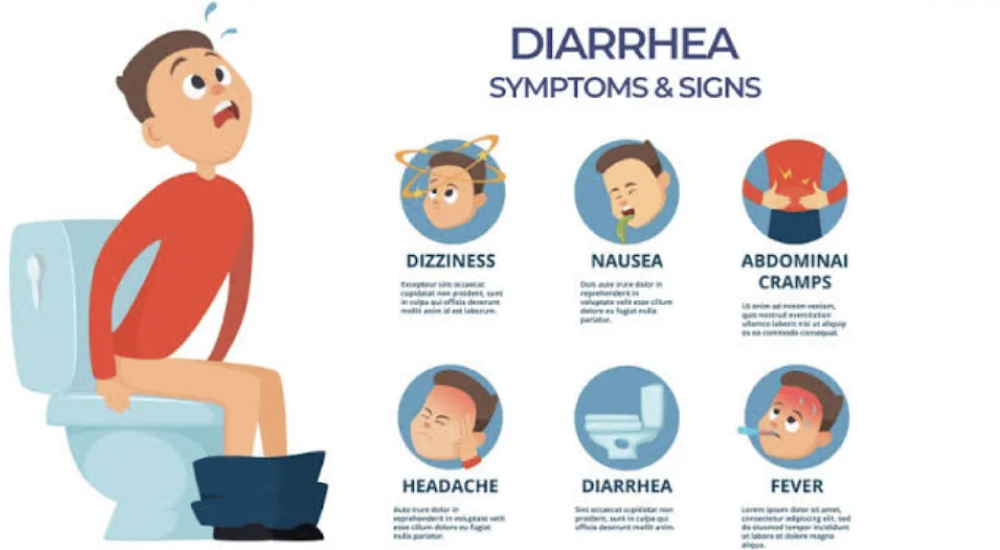
Symptoms of diarrhea: A person is assumed to have diarrhea if the following signs and symptoms are present.
- Bloating
- Abdominal cramping or pain
- nausea
- vomiting
- fever
- Liquid watery stools. Sometimes foaming occurs.
- Stools are hard and foul-smelling.
- Blood is often seen in the stool.
- Mucous discharge in the stool.
- Frequent bowel movements.
Home Remedies for Diarrhea: The biggest food for diarrhea is ORS water. You can eat thin lentil soup water, and thin liquor tea with rice in the afternoon. Actually, in diarrhea, a lot of water is lost from the body, so frequent ORS water is required to maintain the water balance. Light food should be eaten at night.
What to eat in diarrhea: If you have diarrhea, you need to eat a lot of food that has high water content. Eat liquid food like broth, juice etc. Be sure to drink plenty of water. When your stool starts to return to normal, slowly add semisolid and low fiber foods to your diet.
What not to eat if you have diarrhea: Say goodbye to coffee and alcohol completely. Avoid any spicy rich food. Avoid wheat and dairy products. Try not to eat soda crackers, fried eggs.
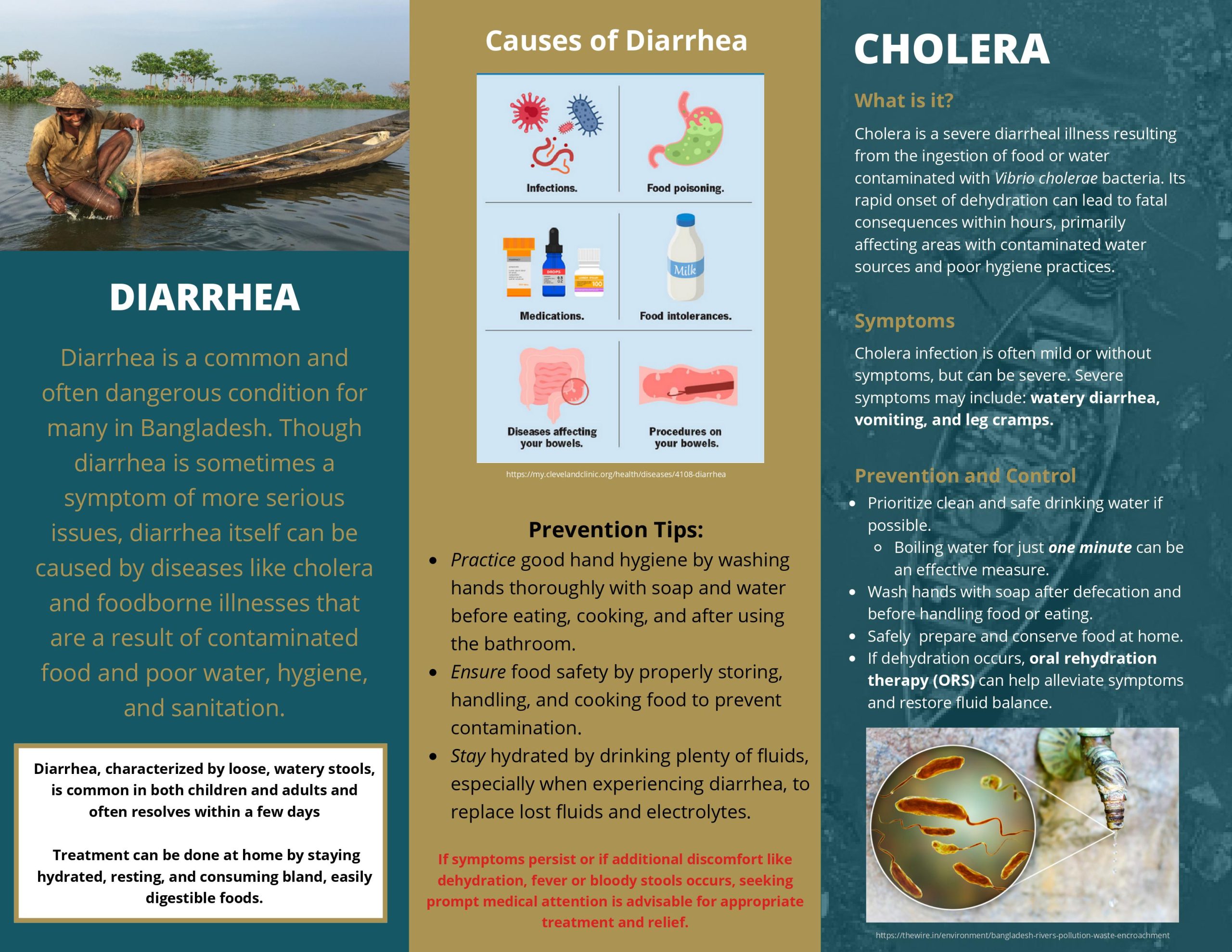
The main cause of diarrhea: Diarrhea can be caused by many reasons including-
- Infestation by parasites that enter the body through food or water.
- Bacterial infection.
- Inability to digest certain food items due to food intolerance or food allergy.
- Virus infection.
- Food allergies (eg celiac disease, gluten allergy)
- Drug reactions.
Sometimes severe stress can also cause diarrhea.
When should you go to the doctor?
If you are an adult and experience the following problems, definitely visit a doctor without delay.
- If your body becomes dehydrated.
- If you experience severe abdominal or rectal pain.
- If you have bloody or dark stools.
- Your body temperature rises above 102 degrees Fahrenheit.
Some people with diarrhea that continues for 3 days in a row may unintentionally lose 1 or 2 pounds per day.
According to research, diarrhea is a common digestive problem that impairs the ability to absorb nutrients, leading to weight loss.
Common Ways to Prevent Infectious Diarrhea: To prevent the spread of infectious diarrhoea, you need to follow the following hygiene rules:
- Wash your hands frequently keeping in mind the matter of hygiene. Wash your hands thoroughly before and after preparing food.
- You must wash your hands with soap after using the toilet, before and after changing diapers, sneezing, coughing and blowing your nose.
- Apply soap to your hands and keep them for at least 20 seconds. Then, after washing your hands, rub your hands together for at least 20 seconds and wash them with clean water.
- If you can’t get to the sink, use an alcohol-based hand sanitizer if necessary. In this case, make sure to disinfect your hands by rubbing several drops of hand sanitizer on both the front and back sides of the hands. And use a product that contains at least 60% alcohol.