After the onset of menstruation, the girl should be kept under observation for at least six months in addition to her counseling – says Shiuli Chowdhury, professor of the Adolescent Friendly Health Service Center of Bangabandhu Sheikh Mujib Medical University.
“It will help girls cope with the fear of menstruation or menstrual problems early in life.”
And World Menstrual Hygiene Day or World Menstrual Health is celebrated on May 28 with emphasis on healthy menstruation.
Salma Begum, an employee of a private institution in Dhaka, says that the beginning of menstruation is scary for many girls, the consequences of which many girls have to bear for a long time in their lives.
“We did not get a chance to talk about these issues or consult anyone. Because talking about menstruation outside the house was difficult even a few days ago. I knew what my mother said in the beginning. There was no concept of hygiene. But I suffered myself. Again, I saw some of my friends how they endured severe pain. But no one cared about it,” he said.
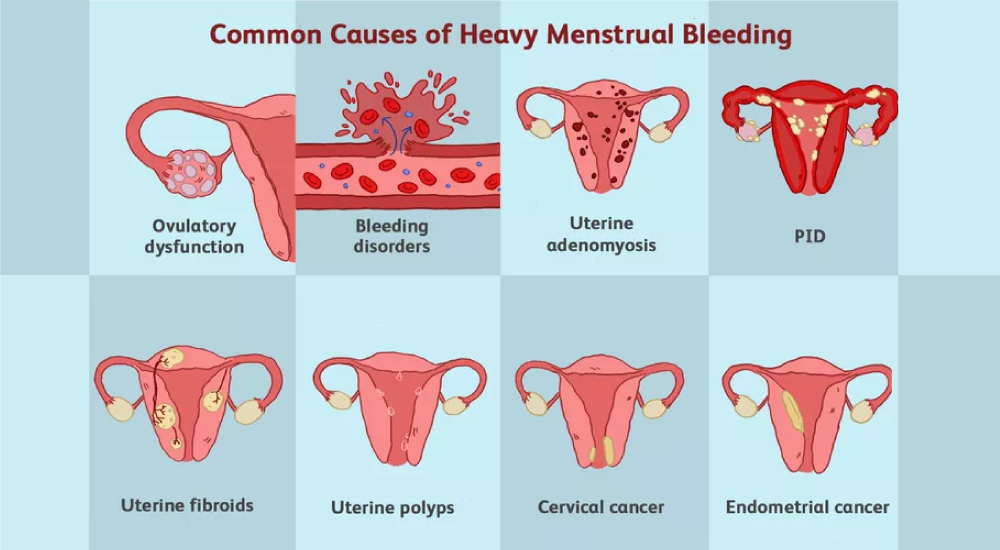
Basically, excessive bleeding or bleeding during menstruation becomes painful for many girls. Others experience severe pain in the lower abdomen for much longer than usual.
What a girl and her family should do
Doctor Shiuli Chowdhury says firstly counselling, secondly eating an adequate amount of balanced and nutritious food and thirdly rest – these must be ensured in such situations.
“A lot of bleeding can lead to anemia. If it is not dealt with in time, it can lead to other complications later. Therefore, at this time, you should eat more nutritious food, especially iron-rich food.”
He said vitamins and minerals are released from women’s bodies during menstruation – that’s why they should talk to a doctor or nutritionist and list a balanced diet.
However, at the beginning of menstruation, talking to mothers openly and starting counseling for 1/2 year by observing the calendar i.e. period of menstruation and taking note of it, besides healthy lifestyle and cleanliness, he thinks that it is very important.
“During this time, hormonal changes occur in the body of girls. While some menstruate regularly, many have late or profuse bleeding which can lead to anemia. If there is no other problem then it should be taken care of without worrying. But if excessive bleeding continues, a doctor should be consulted,” he said.
He advised to keep a few things in mind in the care of girls centered on menstruation. These are:
- Eat nutritious food especially iron rich food
- Concept of hygiene
- Adequate rest
- Ensuring adequate protein and vitamins in food
- If necessary, take the help of an adolescent friendly health service center.
Shiuli Chowdhury says that if there is more pain, some tests may be necessary and if done on time, there is no risk of many complications later.
Source: https://www.bbc.com/bengali/news-57278144